Environmental Noise
Consulting in Boise, Idaho
Environmental Noise Measurement, Analysis, and Consulting
Environmental noise becomes a factor on many projects once planning moves past the early concept stage. Developments near neighborhoods, transportation corridors, or mixed-use areas often need a clearer understanding of how sound may affect nearby properties.
Altitude Acoustics works with project teams to measure existing conditions, evaluate potential changes in noise levels, and prepare technical documentation required for permitting and regulatory review. Clients include commercial developers, government agencies, and residential project teams throughout Idaho, Alaska, and Salt Lake City.
In most situations, the objective is straightforward: understand current site conditions, estimate how a project may influence them, and document the results clearly for agencies and stakeholders.
Request a Consultation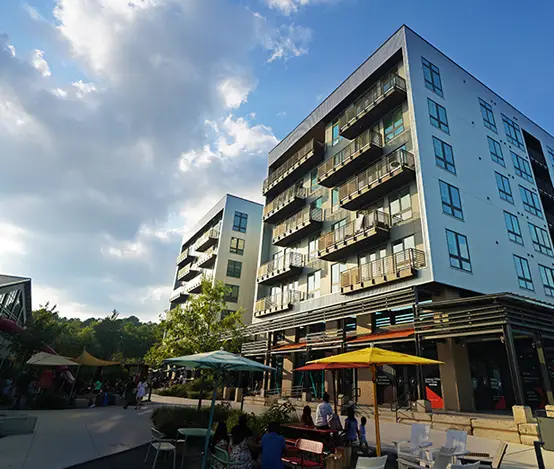
Measuring Existing
Environmental Noise Conditions
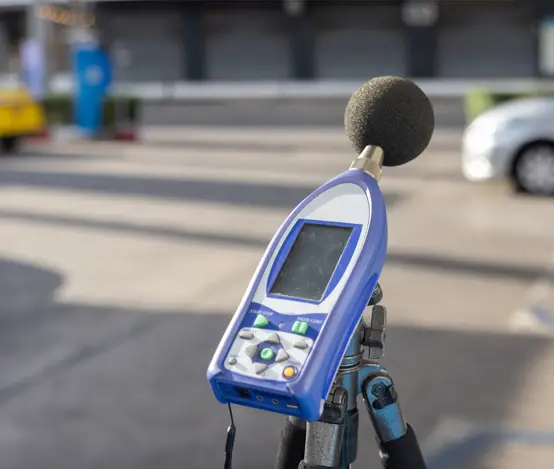
Most studies begin with field data collection. On-site sound measurements provide a practical snapshot of how a location behaves acoustically during typical conditions.
We visit project sites with professional instrumentation and record environmental noise over representative periods. This may support land use planning, environmental review, community concerns, or baseline documentation for compliance.
Findings are presented clearly so they are easier to interpret and apply.
Predicting Future Noise
During Project Planning
Some projects require a look at future conditions, not just what exists today.
Using acoustic simulation tools, we estimate how sound may travel across the site and extend toward nearby properties. Modeling helps teams compare layout options and identify potential issues early, when design adjustments are easier.


Noise Compliance and
Practical Mitigation
Noise regulations can vary by jurisdiction and project type. Altitude Acoustics prepares documentation needed to meet compliance requirements, including ordinance review, environmental documentation, acoustic reports, and agency coordination.
If sound levels may exceed limits, mitigation is addressed during design. Solutions may include barriers, mitigated building components, equipment enclosures, layout adjustments, or operational changes that reduce noise output.
Recommendations balance performance, constructability, and budget considerations.
Contact Us Today
If your project requires environmental noise measurement, predictive modeling, or compliance documentation, contact Altitude Acoustics to discuss your needs.
Project information can also be submitted through the Contact page.
- 10400 West Overland Road #282,
- Boise,
- ID
- 83709